

Menu
Menu

Menu
Transforming the NCLT & NCLAT
- /
- Our Work /
- Transforming the NCLT & NCLAT
The National Company Law Tribunal (NCLT) and the National Company Law Appellate Tribunal (NCLAT) are critical institutions in India’s corporate and insolvency landscape. These tribunals play a pivotal role in adjudicating complex commercial disputes, directly influencing the country’s business environment and economic stability.
While these tribunals play a vital role, they have immense potential for improvement in areas such as streamlining procedures, addressing staffing gaps, and adopting modern technologies. Tackling these areas can significantly enhance their effectiveness, strengthen business confidence, and unlock greater economic value.
RESEARCH
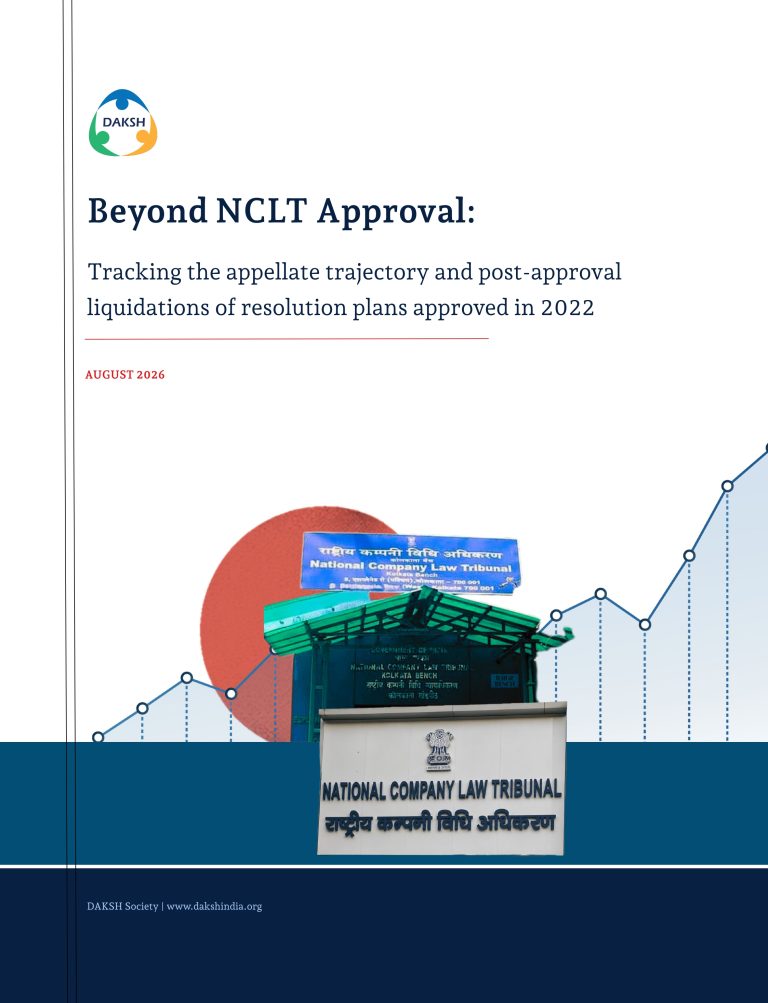
Beyond NCLT Approval: Tracking the appellate trajectory and post-approval liquidations of resolution plans approved in 2022
An approved resolution plan usually signals the successful completion of a corporate insolvency resolution process. However, the outcomes and disposal timelines of appeals challenging such approved plans and the post-approval liquidations are rarely evaluated. These aspects have a direct bearing on the Insolvency and Bankruptcy Code’s (IBC) core principles of time-bound resolution and finality, and are critical to ensuring certainty for both investors and creditors. This paper evaluates the appellate trajectory of 170 resolution plans approved by the National Company Law Tribunal (NCLT) in 2022.
Through case-specific observations, the paper examines the factors contributing to prolonged appellate proceedings, the relation between type of disposal (merits v. maintainability) and timelines for disposal, the appellant profiles and the consequences for implementation failures. Finally, the paper makes a few recommendations to safeguard the time-bound resolution and value maximization objectives of the IBC.
PODCAST
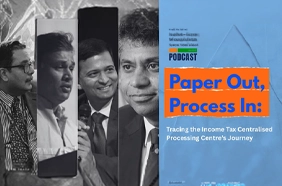
This podcast is a reflective look at the National Company Law Tribunal (NCLT), which has quietly become one of the most important institutions in India’s commercial justice system.
Our host, Ritima Singh, speaks with two people who’ve seen the NCLT from opposite sides of the bench –
Our host, Ritima Singh, speaks with two people who’ve seen the NCLT from opposite sides of the bench –
- A former Member of the NCLT, Mr Rajasekhar V K, and
- Senior Advocate Harish Narasappa, who has appeared before the tribunal for years.
Together, they go beyond the technicalities of insolvency law to talk about the institution itself, and its strengths, pressures and where it might be headed. Watch the full episode!
We aim to address systemic issues through:

Comprehensive
Research

Stakeholder
Collaboration & Engagement

Actionable
Recommendations
Impact of NCLT & NCLAT on Business
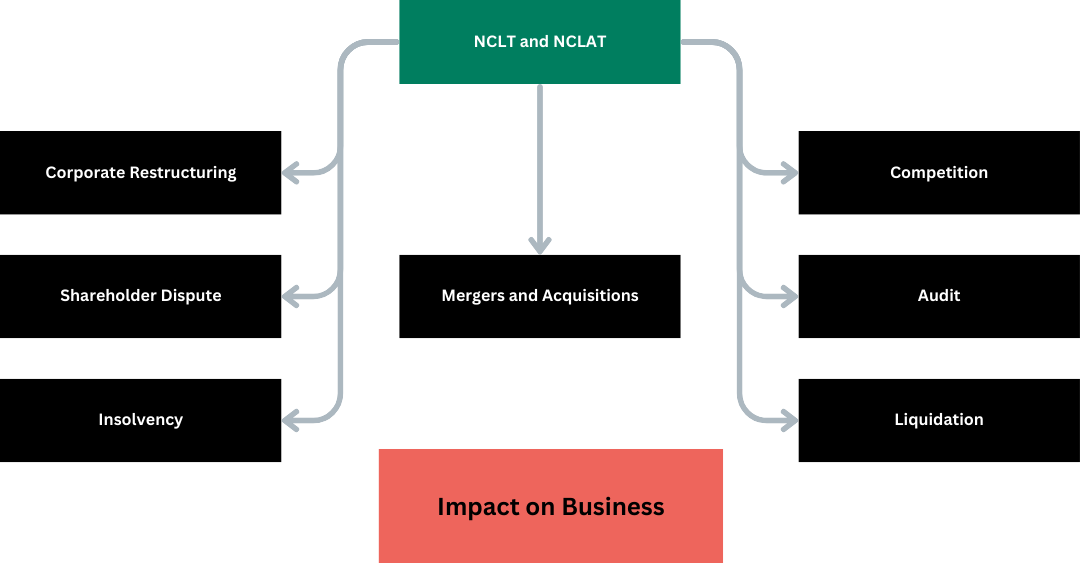
Vision: Deliberate on much-needed measures to resolve existing pain points, carry out research and develop strategic solutions to enable tribunals to function in a robust, effective, and transparent manner.
About the project :
Key Vision Points:
Reports & Resources
How to get involved?
Student Fellowship
We are seeking motivated and passionate students to work with us. As a fellow, you will have the unique opportunity to contribute to impactful research, policy analysis, and advocacy efforts by being part of the DAKSH team. This role is ideal for students keen to make a difference in the administration of corporate justice and the workings of commercial laws on the ground. Click here to check your eligibility.
Share Your Story
As a lawyer or litigant, if you want to share your experience of NCLT/NCLAT and how it affected you and your clients, reach out to ritima@dakshindia.org. By contributing, you play a crucial role in shaping our recommendations and ensuring that the tribunals serve the needs of all stakeholders more effectively.
About The Coalition
The Coalition, led by DAKSH, brings together key stakeholders—lawyers, practitioners, corporate houses, and policy experts—to engage with key policymakers on systemic issues with NCLT and NCLAT.
Get In Touch
Have questions or want to collaborate? Reach out to us for more information at ritima@dakshindia.org.
Want to support our endeavour?
RECENT UPDATE

Report Launch | AI For Justice: Ethical, Fair and Robust Adoption in India’s Courts
admin
March 24, 2026

-
EventsEvents
-
CareersCareers
-
Contact UsContact Us
© 2021 DAKSH India. All rights reserved
Powered by Oy Media Solutions
Designed by GGWP Design