In a new opinion piece for Fortune India, DAKSH’s Surya Prakash B S, Anuja Maniar Shah and Almitra Rego examine India’s advance ruling mechanism and ask whether India can provide businesses, particularly non-resident investors, with tax certainty before commercial decisions become irreversible.




Best judgment assessments under Section 144 of the Income-tax Act, 1961 (and Section 271 of the new 2025 Act) are an important part of tax administration, allowing authorities to complete an assessment when a taxpayer does not participate.

Surya Prakash B S of DAKSH, Angela Lusigi of UNDP India and Urvashi Aneja of Digital Futures Lab, write about the use of AI in Indian courts for ThePrint.

India’s eCourts Phase 3 is bringing more judicial processes online, with digital filing, virtual hearings, connected databases, AI-enabled tools, transcription, and many more.
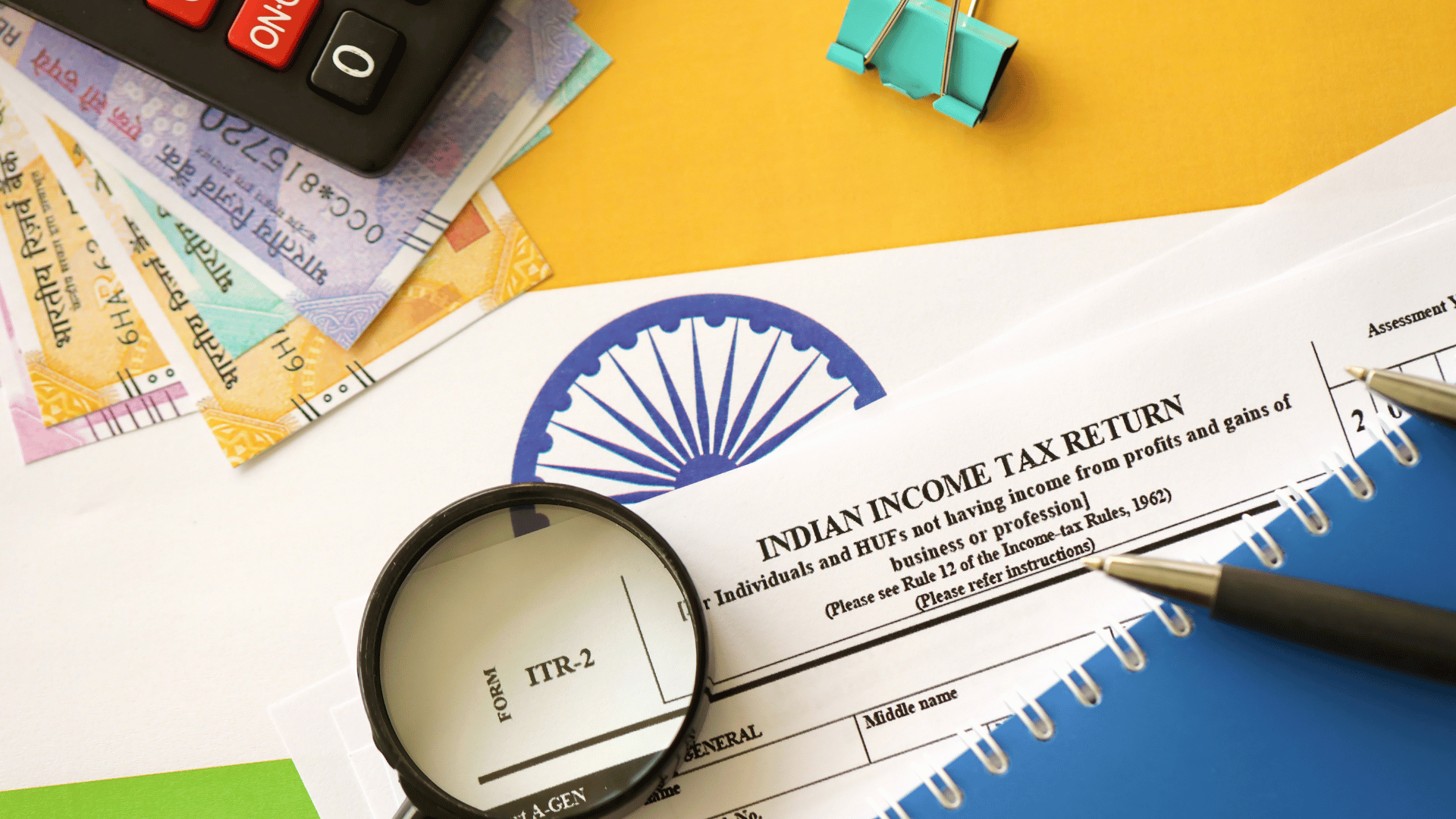
AS the Goods and Services Tax Appellate Tribunal (GSTAT) begins operations across India, it arrives at a time when concerns about global funds flow, working capital crunch, tax uncertainty, and judicial efficiency are increasingly shaping economic policy discussions.

The fundamental flaw is the absence of an institutional home for reform: a body empowered to take a comprehensive, long-term view of judicial transformation.

For core and essential functioning, the judiciary must be treated as one unified system, not a federated coalition of wildly individualistic sub-systems.
No AI tool can reliably extract or interpret intelligible court documents without the contextualised human intelligence that created them. As a system, OCOD will be ripe with such files.
When it comes to AI, courts must be better prepared to manage risks posed by a technology that is in a perpetual state of improvement.
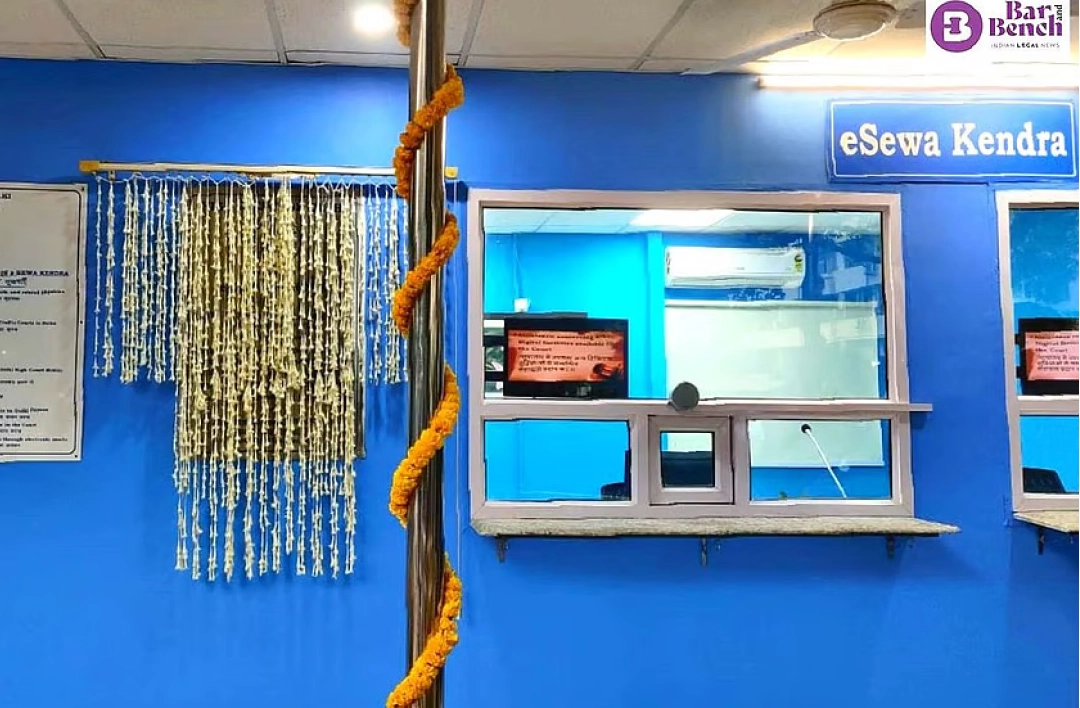
Technology is adopted in a way that has contributed to the problems of litigation processes at High Courts, instead of simplifying them.

ThePrintAM: What does research institute DAKSH's report say about the state of India's commercial tribunal system?

India’s economic reform journey is a patchwork of contradictions. Highs such as GST 2.0, which promises to simplify compliance, widen the tax base, and smooth the arteries of commerce, are celebrated. Yet hidden lows continue to act as speedbreakers on India’s path to becoming a global ease-of-doing-business powerhouse.