

The Tribunals Reforms Act 2026 fixes the Supreme Court’s easy questions and ducks its hard ones
The Tribunals Reforms Act, 2026 awaits notification – like many other bills in this session, both houses passed this by voice vote, without debate. The Act, by creating the National Tribunals Commission (NTC), marks a significant moment in the evolution of governance of tribunals.

Understanding Writ Litigation against BBMP : An analysis of 2024 Judgements
The Bruhat Bengaluru Mahanagara Palike (BBMP), the municipal corporation of Bengaluru city, till recently, managed core urban municipal functions in Bengaluru, including property tax administration, building regulations, and licensing.
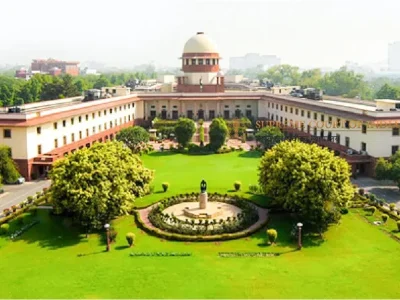
Lessons for Judiciary from Space Sector
सारांश: इस लेख में सूर्य प्रकाश यह समझाने की कोशिश करते हैं कि कैसे भारत द्वारा अंतरिक्ष क्षेत्र में लाए गए सुधार, हमारी न्याय व्यवस्था के लिए भी एक मिसाल बन सकते हैं। उनका कहना है कि अगर हमें न्याय व्यवस्था का कायापलट करना है, तो हमें हर न्यायिक संस्था के काम में स्पष्टता लानी होगी, प्राइवेट सेक्टर को साथ लेना होगा और विशेष तकनीकी पद तैयार करने होंगे, बिल्कुल वैसे ही जैसे eCourts Phase III के विज़न डॉक्यूमेंट में परिकल्पित किया गया है।
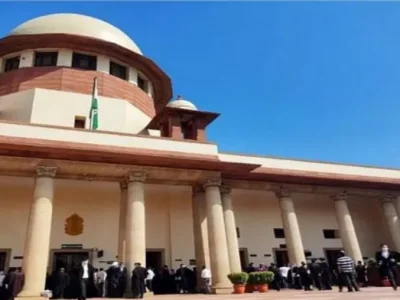
The missing piece in India’s reform story—a strong tribunal system
The Supreme Court’s judgment pushes the conversation in the right direction, but it does not resolve the full range of structural issues that determine how tribunals work on the ground.

Fast-track courts may not be the cure
The Karnataka District Judiciary Reforms Bill 2025 is the most recent attempt at judicial reform in the state. In 2024, the legislature enacted amendments to the Civil Procedure Code (CPC), introducing case management hearings in district courts, bef...Read more at: https://www.deccanherald.com/opinion/fast-track-courts-may-not-be-the-cure-3816439

Karnataka’s new case clock: Can time-bound justice deliver?
The Karnataka government recently passed a state amendment to the Code of Civil Procedure, 1908 (CPC) and introduced case management hearings in civil trials.
Case management hearings are widely used across the world to streamline court proceedings by setting clear timelines for completing various stages of a case.
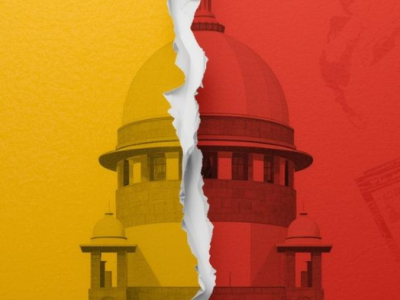
Civil Disputes, Criminal Justice Resolutions
In this piece, Lakshmi Menon examines how delays, bottlenecks, and weak enforcement in civil courts drive lawyers and litigants to misuse criminal law for quicker settlements. She highlights the unpopularity of civil courts, the systemic nature of the problem and argues that real change lies not in blaming individuals but in pursuing institutional reforms to strengthen our civil courts.

Set the guardrails for AI use in courtrooms
In July this year, the Kerala High Court published a set of guidelines for Artificial Intelligence (AI) use by the district judiciary (“Policy Regarding Use of Artificial Intelligence Tools in District Judiciary”). As the first policy in the country directly addressing AI use in judicial processes and setting out strict safeguards, it is timely.

Why ICAI’s audit limit is misguided and outdated
From FY 2027, each partner in a CA firm will be allowed to sign no more than 60 tax audit reports a year—a proposal the Institute of Chartered Accountants of India (ICAI) says will “improve audit quality and manage workload.”

Delayed justice plagues India. The 16th Finance Commission has the power to improve matters
The clocks of justice in India tick much slower than any citizen would hope. At the time of writing this article, 5.22 crore cases are pending across all levels of courts in India. Quasi-judicial bodies like the National Company Law Tribunal (NCLT) and the Central Administrative Tribunal (CAT) also have large backlogs.