Up to 55% of court time is spent by judges each day on tasks such as reissuing summons, fixing dates for future hearings and case administration decisions rather judicial functions such as hearings, a nation wide survey conducted by Bengaluru-based Daksh has found.



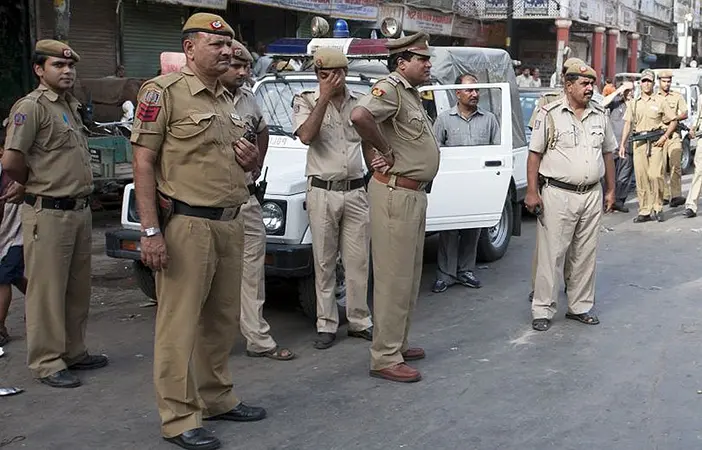
NEW DELHI: In a survey designed to assess citizens faith in the justice delivery system, 40% said they would not approach the police, 32% said they would not go to a lawyer and 22% showed aversion to approaching even village elders or local politicians for resolving their disputes.
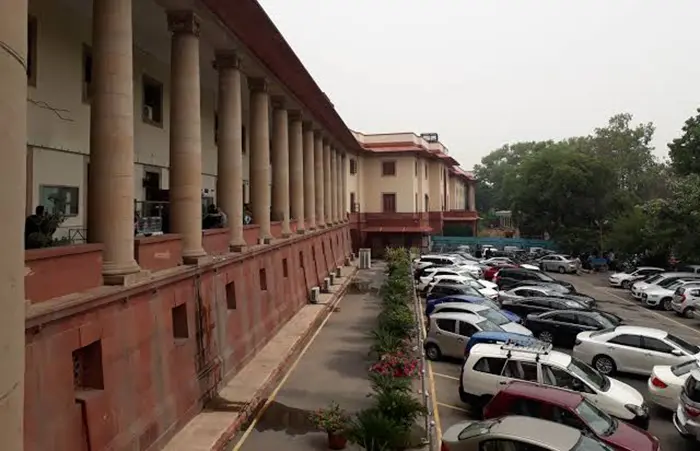
Recently, it was reported that four States and one Union Territory, namely, Haryana, Punjab, Himachal Pradesh, Kerala and the Union Territory of Chandigarh, had managed to reduce pendency of 10-year old cases in lower courts to less than one per cent of total pendency.

ನ್ಯಾಯದೇವತೆಯ ಕಲ್ಪನೆ ನಮಗೆಲ್ಲ ಇದ್ದೇ ಇದೆ. ಒಂದು ಕೈಯಲ್ಲಿ ತಕ್ಕಡಿ, ಮತ್ತೊಂದರಲ್ಲಿ ಕತ್ತಿ, ಕಣ್ಣಿಗೆ ಪಟ್ಟಿ. ಪೂರ್ವಾಪರಗಳನ್ನೂ, ಉಭಯಪಕ್ಷಗಳ ವಾದ– ಪ್ರತಿವಾದಗಳನ್ನೂ ತೂಕ ಮಾಡಲು ತಕ್ಕಡಿ; ಶಾಸನಬದ್ಧ ಕಾನೂನನ್ನು ಕಾರ್ಯರೂಪಕ್ಕೆ ತರುವುದಕ್ಕೆ, ಕಾರ್ಯಗತವಾಗದಿದ್ದರೆ ದಂಡಿಸುವುದಕ್ಕೆ ಕತ್ತಿ; ನಿಷ್ಪಕ್ಷಪಾತವನ್ನು ಕಣ್ಣಿನ ಪಟ್ಟಿ ಸಂಕೇತಿಸುತ್ತದೆ.
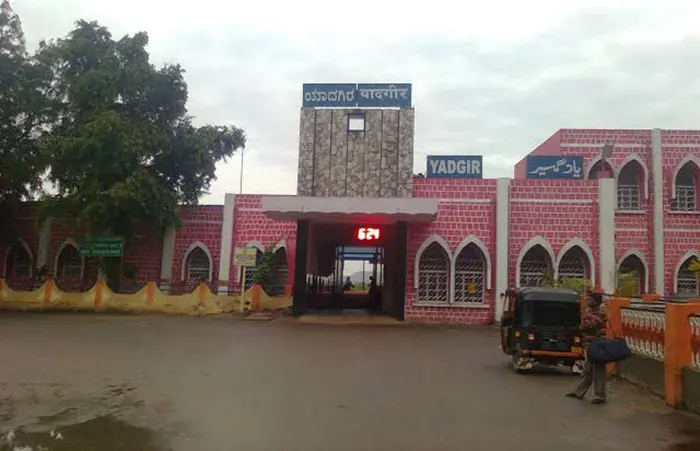
Expressing displeasure over husbands stepping into the shoes of their elected wives to discharge official duties and functions as proxies in the Yadgir Zilla
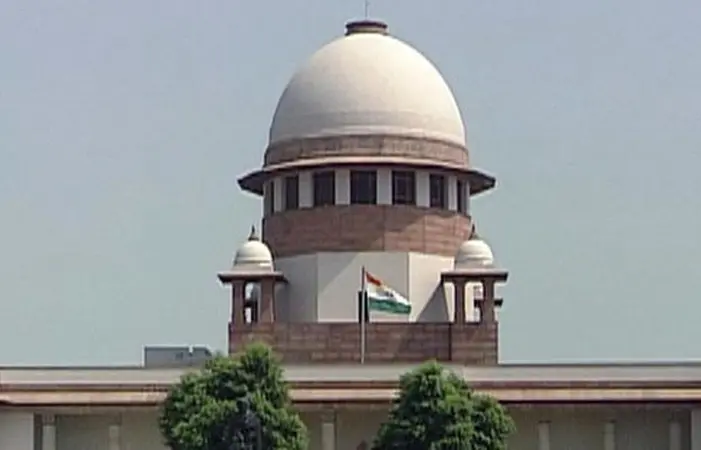
Legal experts feel judges need to be relieved of their administrative duties in order to tackle case pendency in Indian courts.
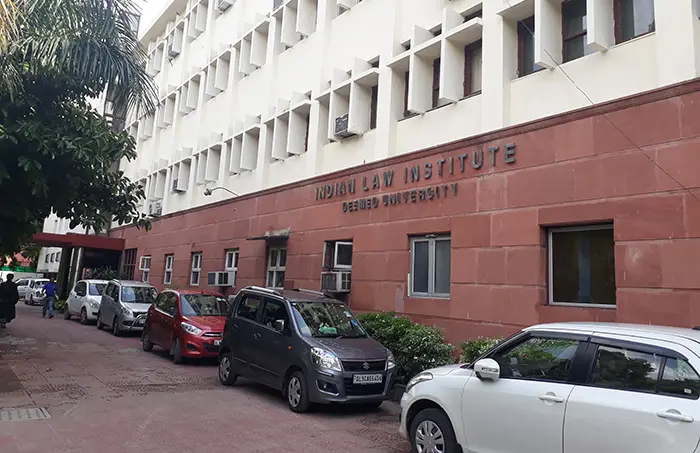
About 25 years ago, two close friends filed suits against each other in the New York State Supreme Court.

The debate since then has largely centered on the soundness of economic thinking behind the decision, the failure to plan its implementation properly, and the potential impacts, positive or negative, on 'black money' in the country.

Discussions on India’s judiciary will always mention pendency of cases and shortage of judges—it is claimed the former is a consequence of the latter and of how time is managed.

IDFC Institute Conversation hosted a private discussion with Justice Gautam S. Patel, sitting judge of the High Court of Bombay, and Dr. Harish Narasappa, founding partner of the law firm Samvad Partners and co-founder of DAKSH, for a discussion on "Understanding the State of the Indian Judiciary."
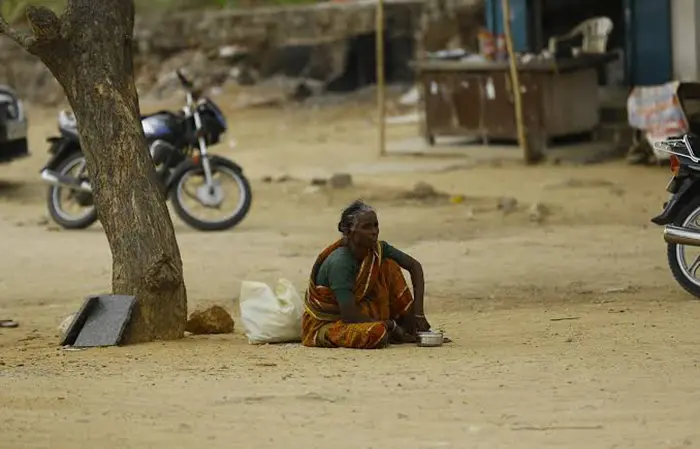
KONGARAGIDDA, India, Oct 19 (Thomson Reuters Foundation) -Poorly educated and with few resources, Kanasari Veeraswami had no way of proving he was the lawful owner of a small plot of land left to him by his father in the southern Indian state of Telangana
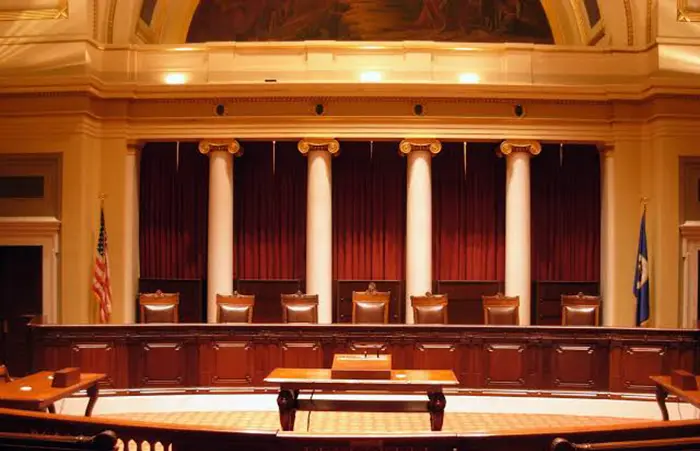
You Can’t Improve Access to Justice if the Courts Are Inefficient: Daksh Co-founder Harish Narasappa
DAKSH, the Bengaluru-based NGO, is a civil society organisation that undertakes research and activities to promote accountability and better governance in India, founded by citizens from varied backgrounds.